
Men's Style Mistakes: 8 Errors to Avoid for a Polished Look
Few men dress badly on purpose. The problems are usually smaller than that: a jacket that pulls across the stomach, a shirt collar that gapes, trainers that should have been retired two winters ago. Each one on its own is easy to overlook. Together they add up to a look that reads as careless, even when every piece came from a good shop. The encouraging part is that these errors are predictable, which means they can be fixed. Here are eight worth tackling, roughly in order of how much difference they make.
Mistake One: Treating Fit as a Minor Detail
Most men buy by letter size. Bodies don't come in letters. A medium from one brand fits like a large from another, and neither may suit your shoulders, which is the measurement that matters most. If the seam of a jacket hangs past the edge of your shoulder, the jacket is too big. If the fabric pulls when you button it, it's too small. Sleeves, hems and waists can be altered; shoulders largely cannot.
Before you buy anything tailored, run through this check in the changing room:
- Shoulder seams end where your shoulders end, no further.
- The jacket buttons without a horizontal pull or a tent of fabric at the waist.
- Sleeves finish at the wrist bone, with a sliver of shirt cuff showing.
- Trousers skim the thigh and rest on the shoe with one soft fold, not a pile of fabric.
- The collar sits flat and lets two fingers slip inside comfortably.
Buy for the shoulders and chest, then pay a tailor to handle the rest. Taking in a waist or shortening a hem is a small cost next to the difference it makes.
Mistake Two: A Closet Full of Nothing
A man can own thirty items and still have nothing to wear. That happens when shopping is driven by discounts and impulse: a patterned jacket bought because it was reduced, with no plain trousers or shirts to wear it with. The fix is to build a base first — a few well-fitting trousers, two or three plain shirts, a handful of solid t-shirts, dark jeans, a navy blazer, one pair of clean leather sneakers and one pair of proper leather shoes. Once that foundation exists, almost anything new has something to sit alongside.
Use one rule before every purchase: name three outfits you'll wear the item with. If you can't, leave it on the rail. That single question prevents most wardrobe clutter.
Mistake Three: Too Many Things Shouting at Once
A checked shirt, a patterned jacket, a striped tie, a pocket square, a bold logo and bright sneakers can all be good pieces and still make a terrible outfit. The eye needs somewhere to rest. Aim for one focal point per look: if the shirt is patterned, keep the jacket plain; if the shoes are striking, quiet everything else down. Two or three colours per outfit, including neutrals, is usually plenty.
The same discipline applies to trends. Nothing is wrong with trying what's current, but wear one new piece with clothes you already trust rather than rebuilding yourself around a look that may not suit your frame or your week. Trends should visit your wardrobe, not move in.
Mistake Four: Shoes That Give Up Halfway
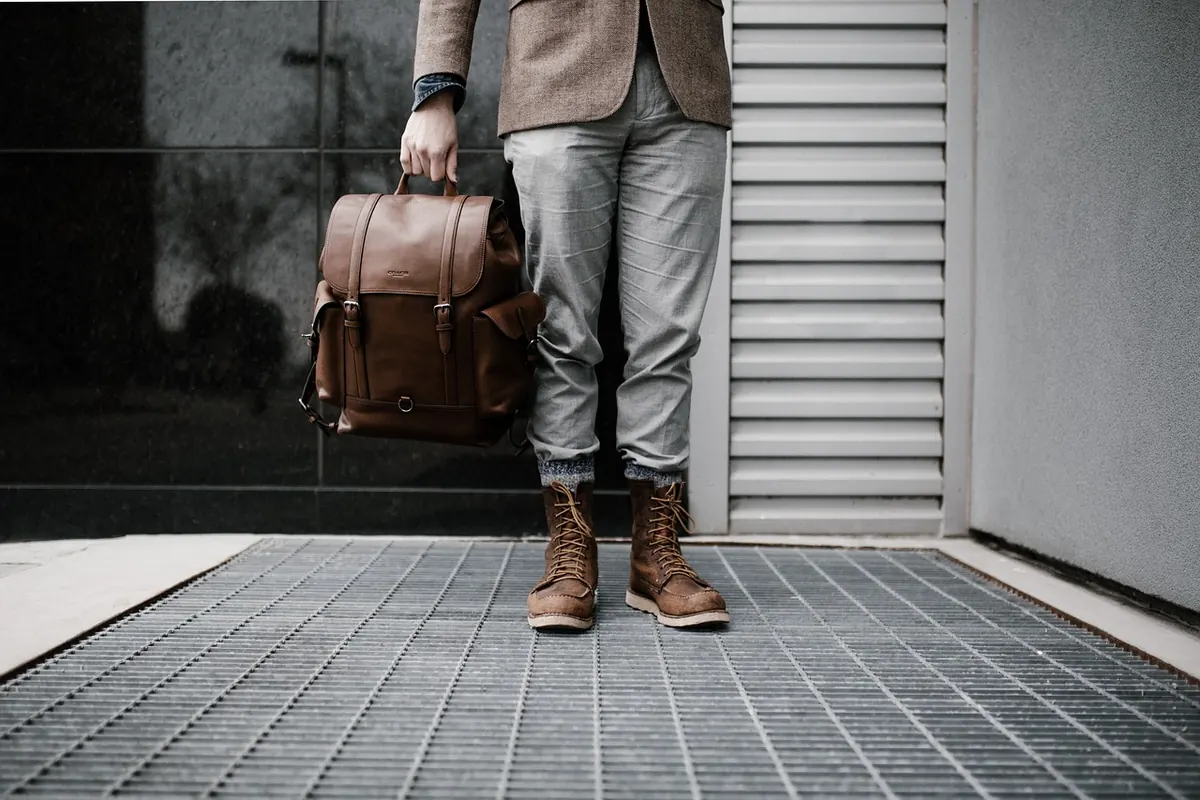
People read shoes quickly, often before they register anything else. A tailored suit above a scuffed, grey pair of running shoes sends a mixed message, and it isn't the relaxed one you intended. Most men need only two pairs to cover nearly everything: a clean, minimal leather sneaker for casual days and a brown or black leather shoe for smarter occasions.
Match the formality rather than the outfit. Sporty shoes belong with casual clothes; sleek leather shoes sit better with tailoring. Then look after them: wipe them down, use shoe trees, rotate between pairs so leather has a day to dry, and check the heels before they wear through. Replacing a heel is cheap; replacing the shoe is not.
Mistake Five: Wearing Clothes Past Their Prime
Stretched t-shirt collars, black denim faded to grey, trousers with a shine at the knee, a jacket missing its second button, jumpers covered in pilling. These are the quiet signals that a wardrobe has stopped being maintained. Sort the offenders into three piles: keep, repair, retire. A tailor or dry cleaner can rescue more than you expect.
Basic care goes a long way. Wash cooler and less often, use less detergent, dry knitwear flat, fold jumpers instead of hanging them, and give jackets room on a wide hanger. A modest shirt kept well always looks better than an expensive one treated badly.
Mistakes Six and Seven: Finishing Touches and Grooming
The details around the edges
Belts and shoes should sit in the same tonal family — brown with brown, black with black — without needing to match exactly. Never wear a belt and braces together. Choose socks long enough that no skin appears when you sit down, and in a colour that echoes your trousers rather than fighting them. Keep undershirts hidden below the collar. On a single-breasted jacket, fasten the top button when standing and undo it when seated.
Looking attended to
Clothes only carry a man so far. An overgrown haircut, an unshaped beard, ragged nails and a crumpled collar undo an otherwise good outfit. None of this requires vanity, only routine: a haircut on a schedule, a tidy neckline, a beard trimmed to a deliberate shape. Grooming isn't separate from style; it's the frame around it.
Mistake Eight: One Uniform for Every Occasion
The same dark jeans, t-shirt and trainers work brilliantly at a pub and badly at a wedding, a job interview or a formal dinner. Dressing for the room isn't selling out — it's courtesy. When you're unsure, ask someone who has been there before, or check how the venue or organiser describes the event. Most invitations say more than you think.
Think of your wardrobe in three tiers: casual, smart casual and formal. Aim to land one notch dressier than the room rather than one notch below it. Two notches above, though, suggests you weren't paying attention to the occasion at all.
Where to Start This Week
You don't need a new wardrobe. You need an afternoon. Try on the ten items you wear most, in daylight, in front of
Photo: PublicCo / Pixabay