
Why Quiet Luxury Is Dominating 2024 Fashion Trends
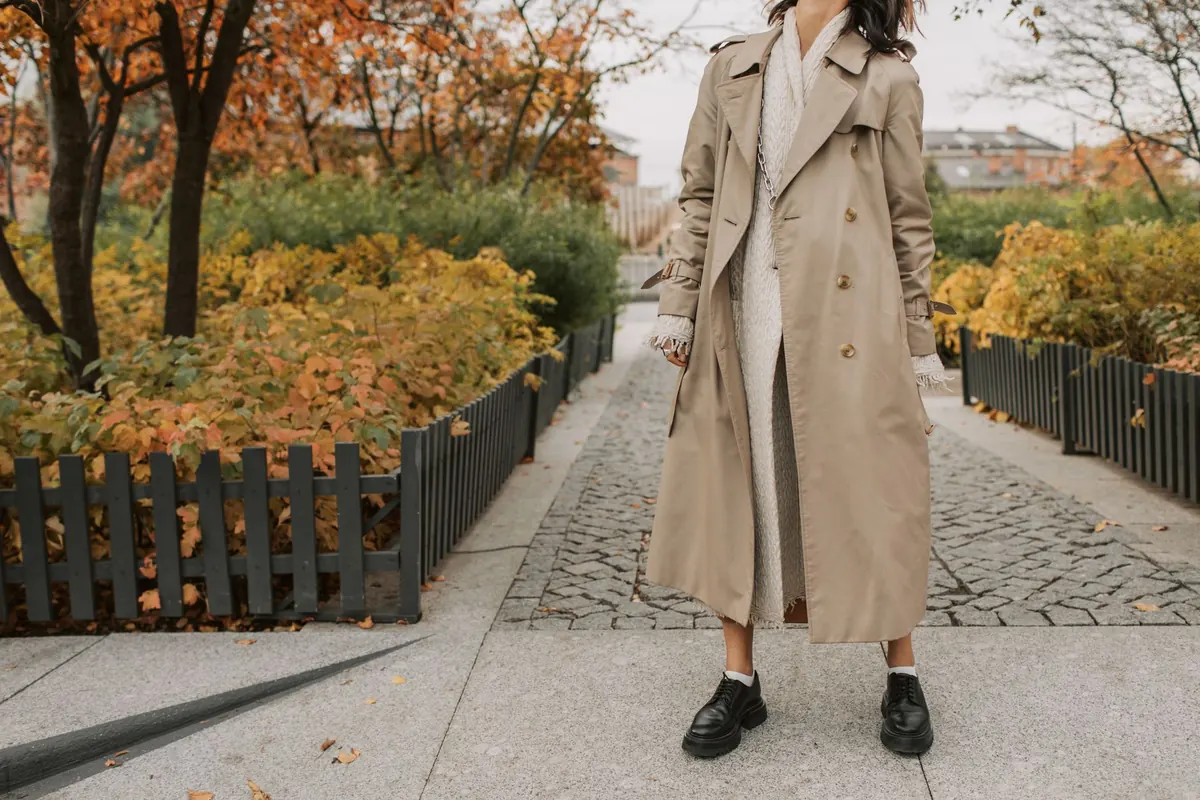
Quiet luxury has a funny name for something so reserved. It is the style of a navy blazer that fits at the shoulder, a cashmere crewneck that holds its shape, a leather bag with no logo in sight. It does not shout. It does not chase every micro-trend. And in 2024, that restraint is exactly why it keeps showing up on runways, in street style, and in the wardrobes of people who want to look polished without looking like a billboard.
What Quiet Luxury Actually Means
Quiet luxury is a way of dressing that prioritises cut, fabric, and finish over visible branding. The goal is not to look wealthy in an obvious way. It is to look considered. A plain white shirt can be quiet luxury if the cotton is crisp, the collar sits well, and the sleeves are the right length. The same shirt with a giant logo, a thin fabric, and a gaping button placket is not.
The aesthetic borrows from several traditions: old-money codes of understated tailoring, 1990s minimalism, and the clean, architectural lines of designers who made restraint feel modern. It also overlaps with stealth wealth, a term for expensive clothing that does not announce itself. The point is not to be boring. It is to be confident enough to let the clothes speak quietly.
Where the Trend Came From
Quiet luxury did not appear from nowhere in 2024. It has been building for years. As logomania became louder, a counter-movement formed. Social media made every trend visible and repeatable, and many people grew tired of outfits that only worked for a photograph. Economic uncertainty added another layer: when money feels less certain, shoppers tend to choose pieces they can wear for years rather than one-season statements.
Television and film helped too. The wardrobes in shows about wealthy families often lean on tailored coats, fine knits, and leather accessories without visible branding. Those costumes became reference points for a wider audience. At the same time, resale and consignment made quality more attainable. A well-made wool coat from a previous decade can look more current than a new fast-fashion version, especially if it fits and has been cared for.
Why It Stuck in 2024
Quiet luxury answers a practical question: what do I wear when I want to look good without effort? A neutral blazer, dark trousers, and leather shoes can work for an office, a dinner, and a weekend lunch. That versatility matters when wardrobes are smaller and budgets are tighter. It also feels more adult than trend-led dressing. You are not replacing your personality with a trend; you are editing it.
The trend also fits the way people shop now. Many shoppers mix high and low, vintage and new, investment pieces and everyday basics. Quiet luxury gives them a framework: choose a palette, prioritise fit, and avoid anything that dates quickly. The result is a wardrobe that feels calm rather than chaotic.
The Quiet Luxury Checklist
Use this list before you buy or keep a piece. It works for a full outfit or a single item.
- Fit: Shoulders sit on your shoulder bone, sleeves end at the wrist bone, trousers break once. A tailor can fix most other issues.
- Fabric: Look for natural fibres such as wool, cotton, linen, silk, and cashmere. Check the drape and weight. Thin, shiny synthetics rarely read as quiet luxury.
- Colour: Navy, black, charcoal, cream, camel, chocolate, and olive are easy foundations. Low-contrast combinations look especially polished.
- Details: Buttons, seams, lining, and hardware should feel solid. Loose threads, puckered seams, and flimsy zips undermine an otherwise good piece.
- Branding: Keep logos small or absent. A discreet label inside the collar is fine. A monogram across the chest is not.
- Condition: Steam wrinkles, polish shoes, brush coats, and repair loose hems. Care matters as much as the original purchase.
How to Build a Quiet Luxury Wardrobe Without Overspending
You do not need a designer budget to dress this way. You need a plan and a little patience. Start with what you already own. Pull out the pieces that fit well and make you feel calm and capable. Build around those.
1. Choose a tight palette
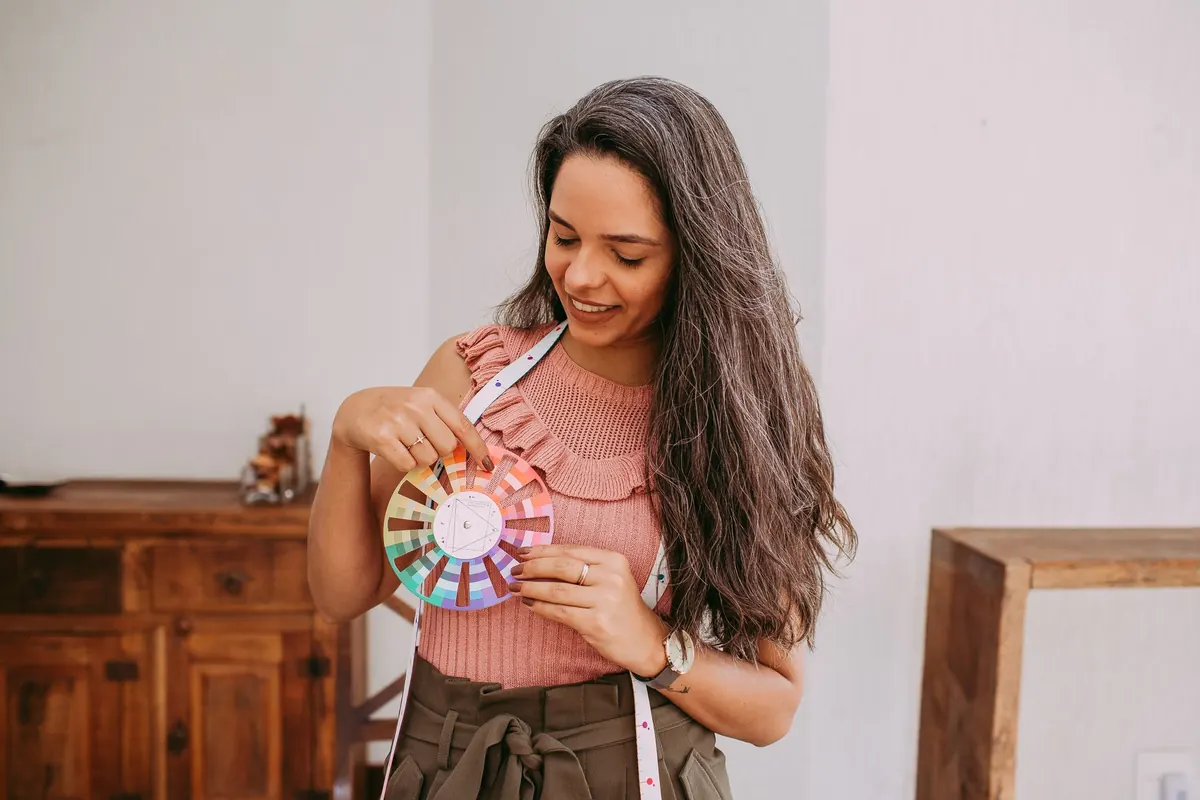
Pick three or four colours that work together and with your complexion. A wardrobe of navy, grey, white, and camel can create dozens of outfits. This reduces decision fatigue and makes inexpensive pieces look more intentional.
2. Upgrade fit before labels
An inexpensive blazer that has been tailored can look better than a designer one that pulls across the back. Find a good alterations tailor and budget for small changes: shortening sleeves, taking in the waist, hemming trousers. These adjustments change everything.
3. Shop secondhand and consignment
Quality fabrics and construction are easier to find on the resale market. Look for classic shapes, check seams and lining, and ignore sizes—measurements matter more. If you buy online, ask for measurements and close-up photos of any wear.
4. Spend on shoes and bags
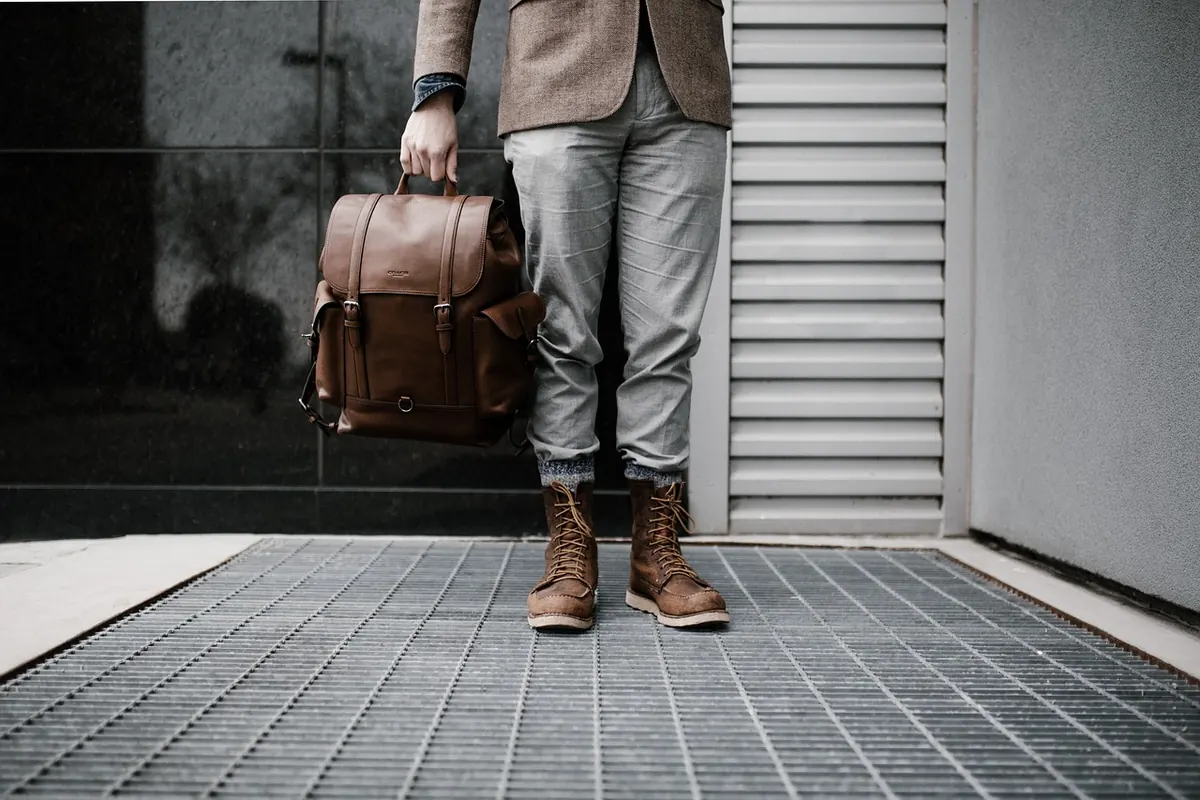
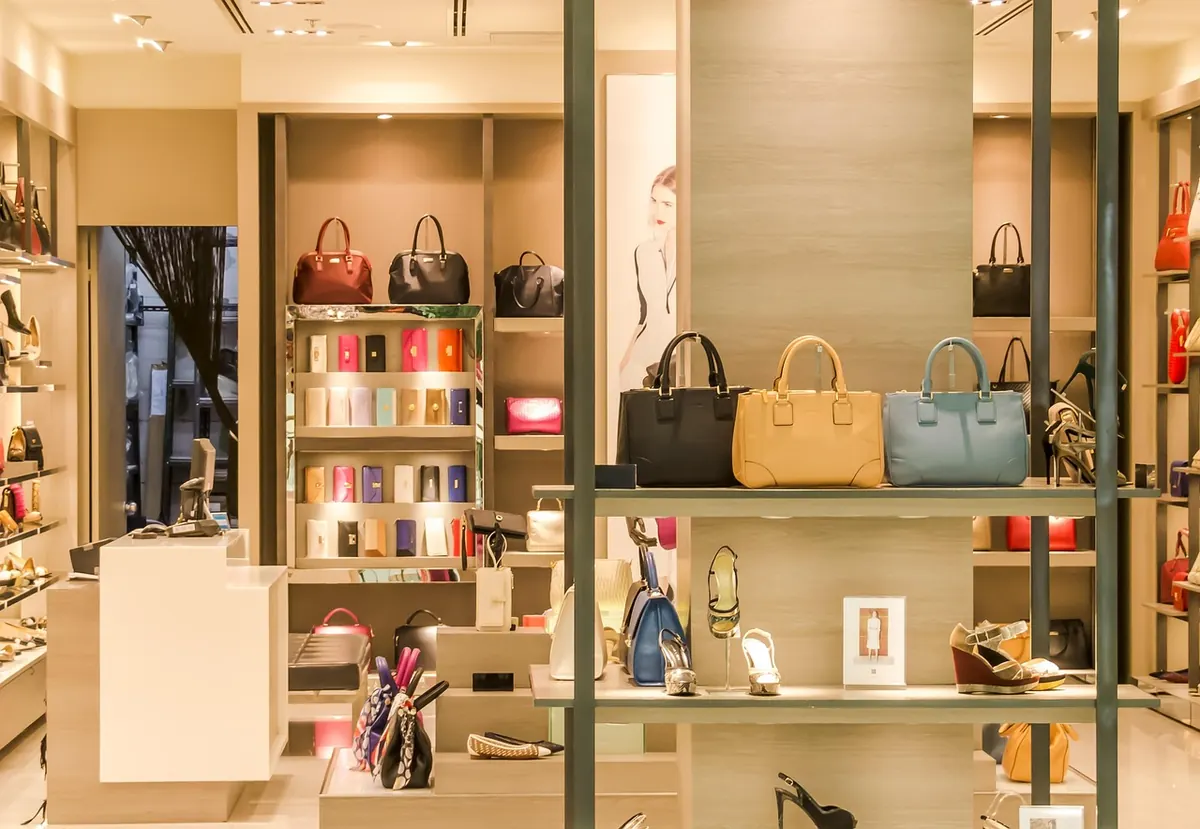
These are the pieces people notice after your silhouette. A simple leather loafer, a clean ankle boot, or a structured tote without visible branding will carry more outfits than a trendy shoe. Keep them clean and conditioned.
5. Care for what you own
Use shoe trees, cedar blocks, a fabric shaver for pilling, and a steamer instead of an iron where possible. Store knitwear folded, not hung. Good care extends the life of a garment and keeps it looking expensive.
Mistakes That Make an Outfit Look Less Expensive
Quiet luxury is not simply beige clothing. It is a set of choices. The most common mistake is poor fit. If a jacket strains at the button or trousers pool around your ankles, the fabric cannot save it. Another is confusing “minimal” with “plain and thin.” Quiet
Photo: Pexels / Pixabay